Introduction
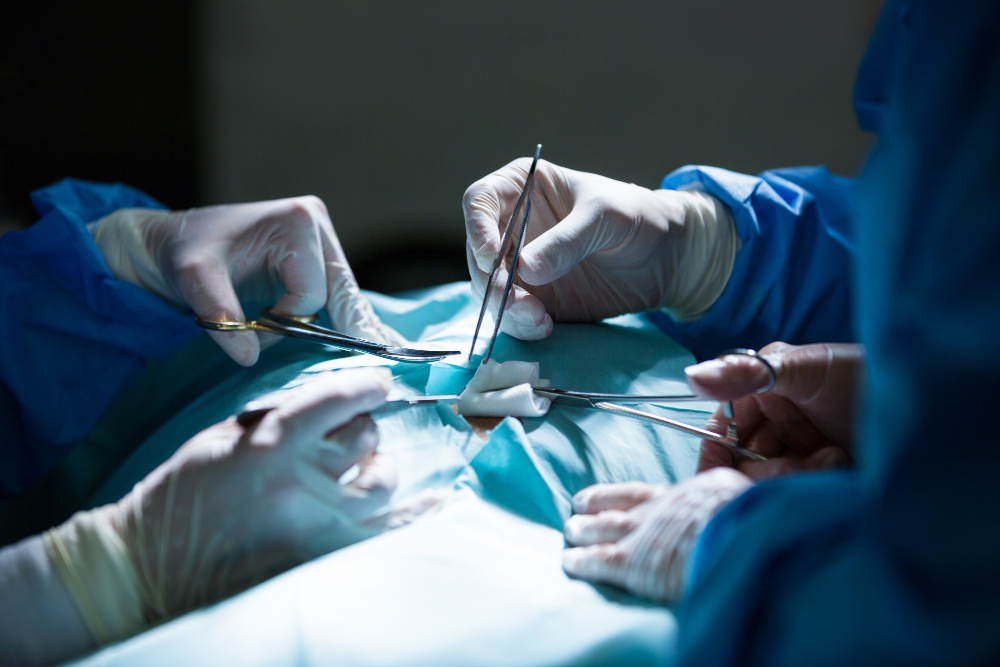
Laparoscopic hysterectomy is a type of minimally invasive surgery. Doctors use it to remove the uterus through small cuts in the belly. This method helps many women heal faster than with open surgery. Often, doctors suggest this procedure for certain health problems. According to the World Health Organization (WHO), hysterectomy is one of the most common gynecologic surgeries worldwide. In this blog, you will learn about laparoscopic hysterectomy, why it is done, how it works, and what to expect during recovery.
Symptoms or Conditions Leading to the Procedure
Doctors may recommend a laparoscopic hysterectomy for several reasons. Usually, it is done when other treatments do not work. Some common conditions include:
Sometimes, doctors suggest this surgery for other gynecologic problems as well. If you have any of these symptoms, talk to your doctor about your options.
How Laparoscopic Hysterectomy Is Performed
During a laparoscopic hysterectomy, the surgeon uses special tools and a camera. Here is a step-by-step overview:
This whole process usually takes one to three hours. Most women go home the same day or the next day.
Benefits Compared to Traditional Hysterectomy
Laparoscopic hysterectomy offers many advantages over open surgery. For example, it uses smaller cuts, which means:
Because of these benefits, many women choose minimally invasive hysterectomy when possible. However, not everyone is a good candidate. Your doctor will help you decide what is best for you.
Risks and Possible Complications
Like any surgery, laparoscopic hysterectomy has some risks. Most women recover well, but problems can happen. Possible risks include:
Although these risks are rare, it is important to know about them. If you notice fever, heavy bleeding, or severe pain after surgery, contact your doctor right away. The Centers for Disease Control and Prevention (CDC) recommends following all aftercare instructions to lower your risk of problems.
Recovery Process and Aftercare Tips
Recovery after laparoscopic hysterectomy is usually quicker than with open surgery. Most women return to normal activities within two to four weeks. To help your body heal, follow these tips:
In addition, attend all follow-up visits with your doctor. If you have questions or concerns, ask your healthcare team. They can help you manage your recovery after laparoscopic hysterectomy.
Prevention or Lifestyle Guidance
While you cannot always prevent the need for a hysterectomy, you can take steps to support your gynecologic health. For example:
Early treatment of women’s health problems can sometimes prevent surgery. Always talk to your doctor about any changes in your health.
Conclusion
Laparoscopic hysterectomy is a safe and effective way to treat many gynecologic problems. Because it is minimally invasive, most women recover quickly and with less pain. At Dr. Snehal Murde, each woman’s condition is assessed individually to ensure the most suitable approach. However, every woman is different.
Consult Dr. Snehal Murde for personalised advice on laparoscopic hysterectomy and to discuss the best treatment options for your health needs.